


Meet Allison Goldman-Blustin
Rebbetzin Allison is a modern spiritual educator reclaiming the feminine voice of Jewish wisdom. She teaches an embodied Torah — rooted in ritual, relationship, emotional health, and the sacred rhythms of the body. Her work merges ancient Jewish practice with contemporary insights from psychology, sexuality education, and holistic wellness.
A Jewish educator with Adamah at Pearlstone, Allison teaches about the deep relationship between Judaism, nature, and embodied ritual. She is completing a certification in sexuality education through the Institute for Sexuality Education and Embodiment (ISEE), expanding her ability to support individuals and couples with knowledge, dignity, and care.
Trained as a mikveh guide and relationship coach, Allison brings a unique blend of scholarship, compassion, and holy chutzpah to her teaching. She follows in the lineage of women like Rebbetzin Esther Jungreis and Blu Greenberg, elevating the often-overlooked Torah of the home: intimacy, emotion, care, and connection.
Through classes, workshops, writing, and one-on-one coaching, Allison supports individuals and couples seeking depth, meaning, and embodied spirituality. Her approach is progressive, inclusive, and grounded in the belief that the body itself is a source of Torah.
A Personal Note
I came to Jewish observance slowly and on my own terms, drawn to rituals that felt rooted in embodiment, community, and meaning. My journey through niddah, mikveh, and sacred practice reshaped how I understood holiness — not as something distant or abstract, but as something that lives in the body, in relationship, and in the rhythms of everyday life.
Today, I teach from that place: a Torah that is lived, felt, and accessible.
Training and Certifications:
Mikveh Guide Certification (American Jewish University + MACoM, Atlanta)
Sexuality Educator (Institute for Sexuality Education and Enlightenment — AASECT Certification Pathway)
Prepare/Enrich Facilitator
Gottman-Informed Relationship Coach
Jewish Educator Experience: Mikveh at the American Jewish University, MACoM, Mayyim Hayyim, Adamah at Pearlstone, Honeymoon Israel
Certificate in Liberatory Torah Education, the Torah Studio
Curious about working together or just want to say hello?
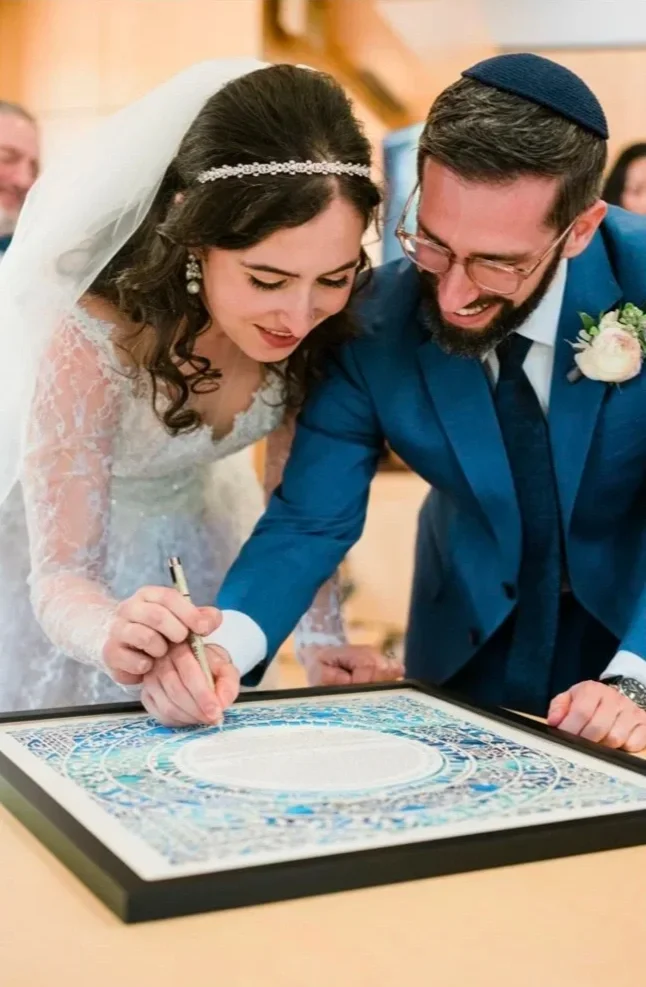


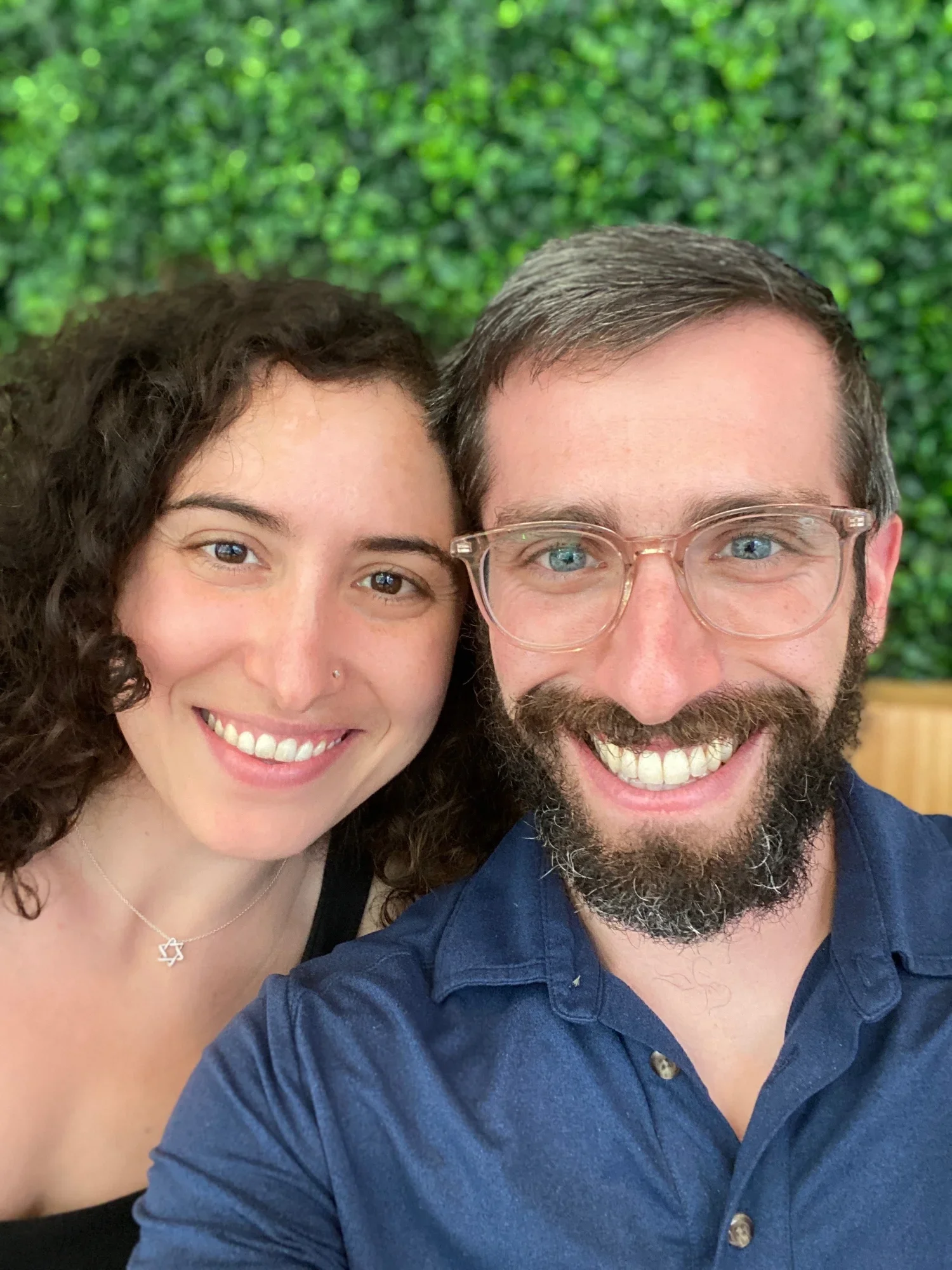
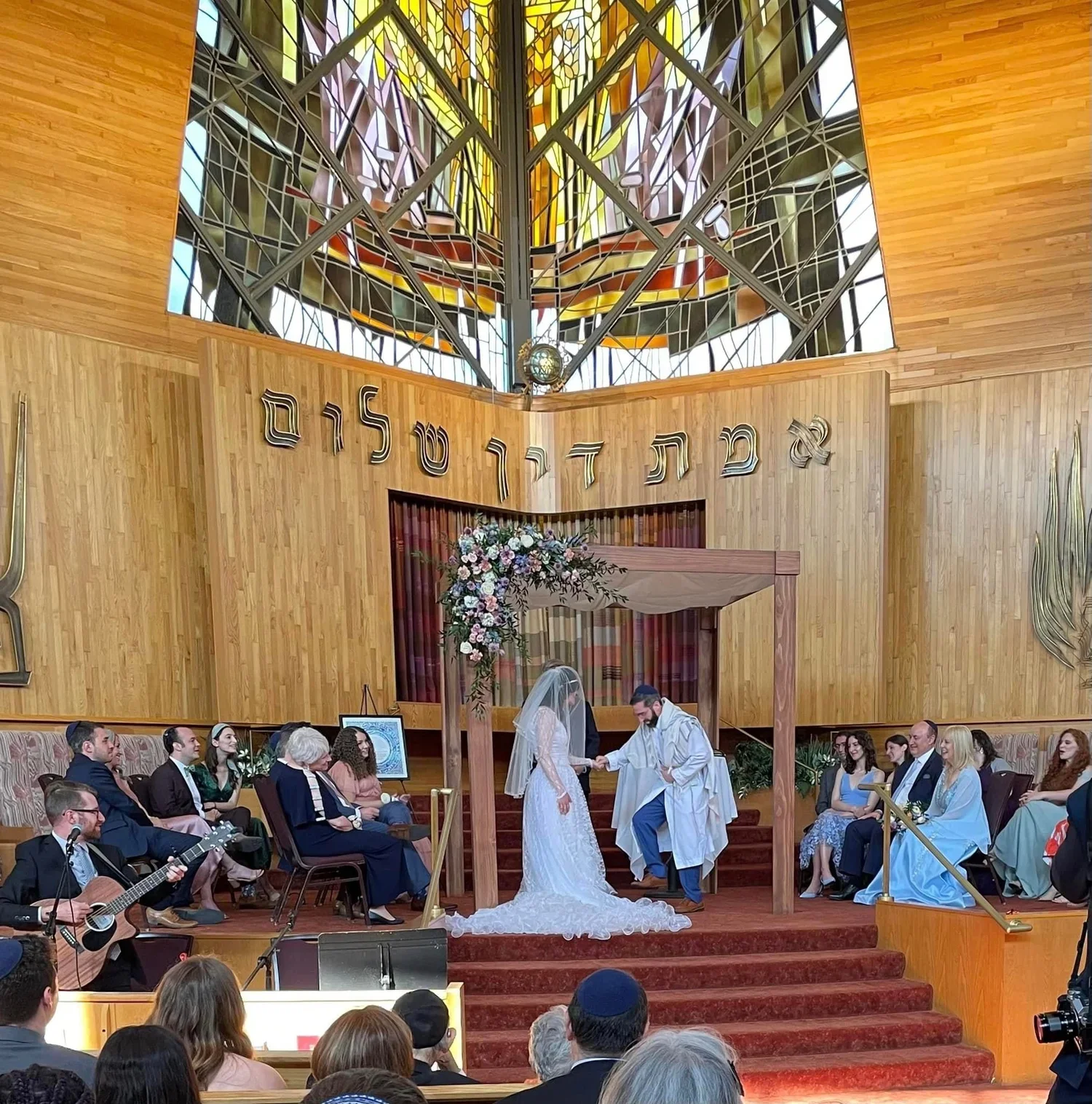


“If I were asked to list the central rituals that characterize and regulate the life of an Orthodox Jew, I would swiftly recite my catechism: shabbat, kashrut, and taharat hamishpachah, the laws of family purity.”
— Blu Greenberg, “How to Run a Traditional Jewish Household”, 1983
**Taharat hamishpachah is a euphemism that refers to Jewish rituals around menstruation and sexuality. Two other words that sum up the body of laws related to these rituals are mikveh (ritual bath) and niddah (woman in a state of sexual unavailability).
“Although sex is certainly not the whole of life, it is an important part of it, and so it should be part of the discussion that we Jews have about the norms by which we live. The Jewish tradition has much to say about this area of life, as it does about most, and much of what it says is as compelling to us now as it was to our ancestors. Judaism has a distinctly positive view toward sexuality as the gift of God, and it articulates values and rules for this area of life which make it the pleasurable, yet holy, activity it was meant to be.”
— Rabbi Elliot N. Dorff
“This Is My Beloved, This Is My Friend: A Rabbinic Letter on Intimate Relations,” Rabbinical Assembly Commission on Human Sexuality, 1996
In her book, Life on the Fringes, my teacher, Rabbi Haviva Ner-David, writes,
“I want to be an expert in the laws of niddah for my community—not because I want power, but because I want to serve.”
Reading her words twenty-five years later, I feel the same way. I want to stand in my authenticity as a modern woman and Rebbetzin and claim the authority to teach about these rituals — not because I have obtained smicha as a Rabbi, but because of my embodied knowledge as a woman.
In progressive Jewish spaces, women have gained access to traditionally male mitzvot—tallit, tefillin, Torah study—but often at the expense of the rituals historically entrusted to women: candlelighting, challah, and niddah. These practices hold deep wisdom about the body, intimacy, and the sacred rhythms of life, and I’m on a journey to rediscover them.
The “Modern Rebbetzin” is my attempt to reclaim and renew Jewish learning and traditions around bodies and sexuality as a meaningful spiritual path, not about purity or shame, but as a vehicle for connection: to self, to partner, and to the Divine.
“Each person needs to have a genuine compassion for his body, for its very flesh, and to share with it all the enlightenments of the soul. But this can only happen when the body is ready. So we must prepare our bodies by composing them and making them clear. When this is done, the body is lucid and focused, it is able to receive and absorm the soul’s enlightenment.”
— Reb Nachman of Breslov